Software Development
Engineering practices, systems design, distributed backend architecture, modern web ecosystems, and compiler theory.

System Call vs vDSO: What Entering the Kernel Costs
Compare system call overhead against vDSO memory mapping. Learn how sysenter, syscall instructions, page tables, and user-space timekeeping bypass traps.
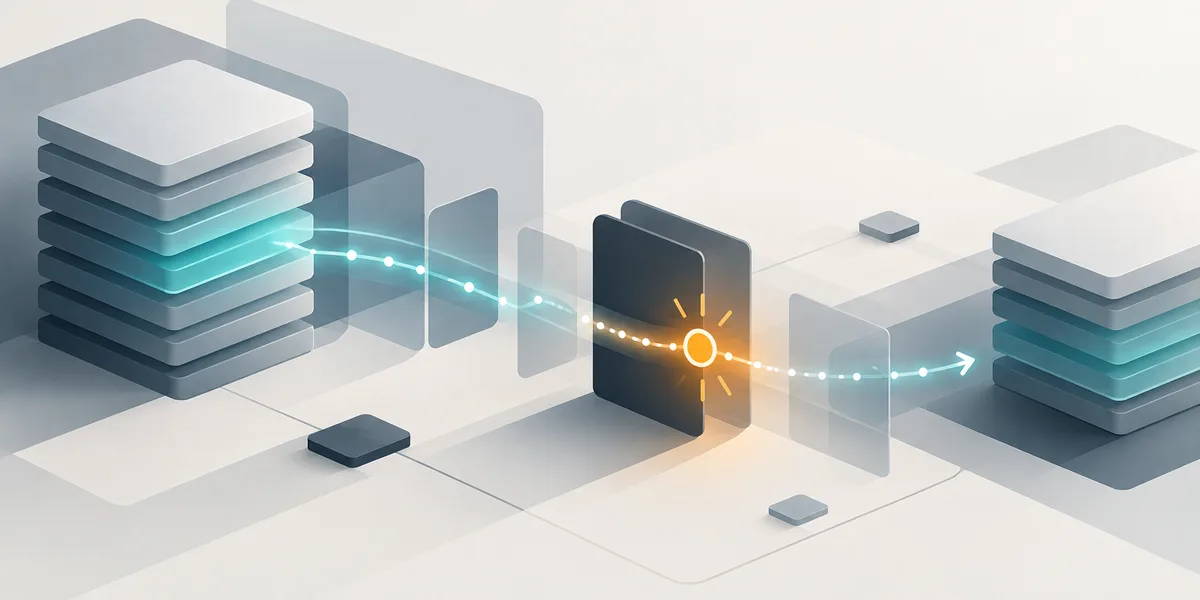
How Linux Page Fault Handling Impacts Memory Throughput
Understand Linux page fault handling internals. Learn how kernel manages CR2 register reads, VMA tree traversals, PFN allocation, and TLB invalidations.
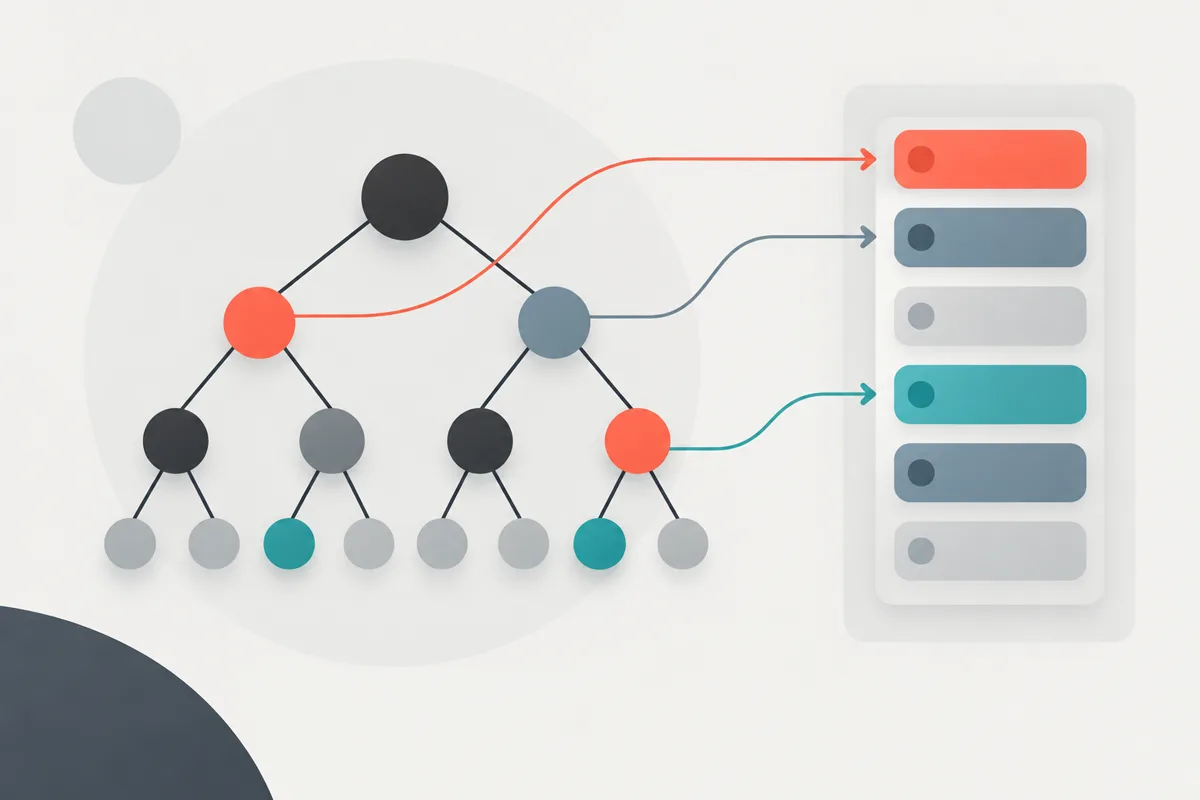
How Linux epoll Works: Red-Black Trees and Ready Lists
Learn how Linux epoll works inside the kernel: struct eventpoll, wait queue callbacks, red-black trees, and ready lists that deliver fast I/O events.
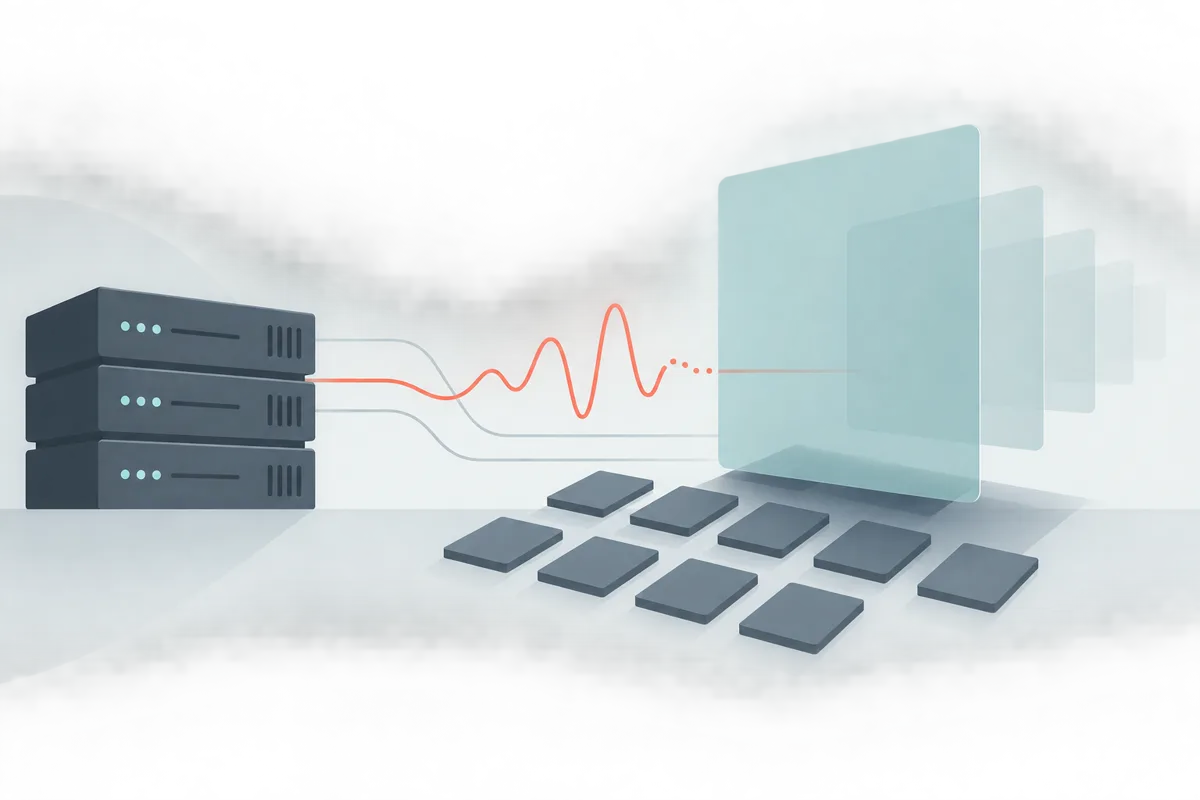
Why Transparent Huge Pages on a VPS Degrade Memory Latency
Learn how two-dimensional page walks, EPT translation misses, and khugepaged compaction degrade Transparent Huge Pages on a VPS during random memory access.
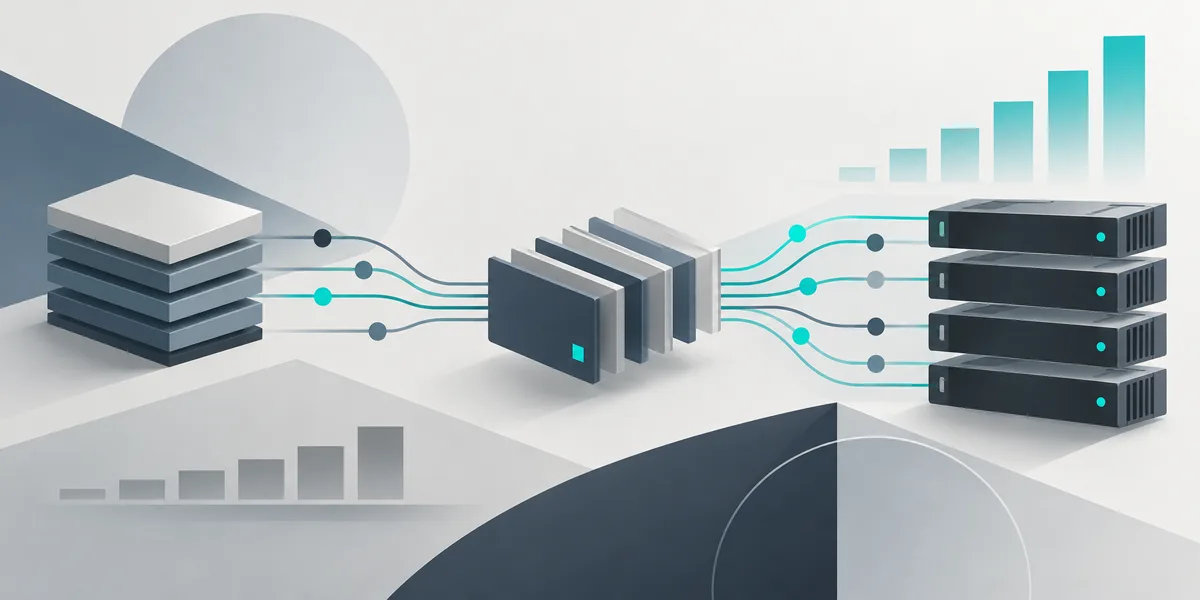
io_uring vs pread: How Batched NVMe I/O Actually Scales
Learn how io_uring outperforms serial pread for random 4 KiB reads via submission queue batching, O_DIRECT asynchronous dispatch, and kernel ring buffers.
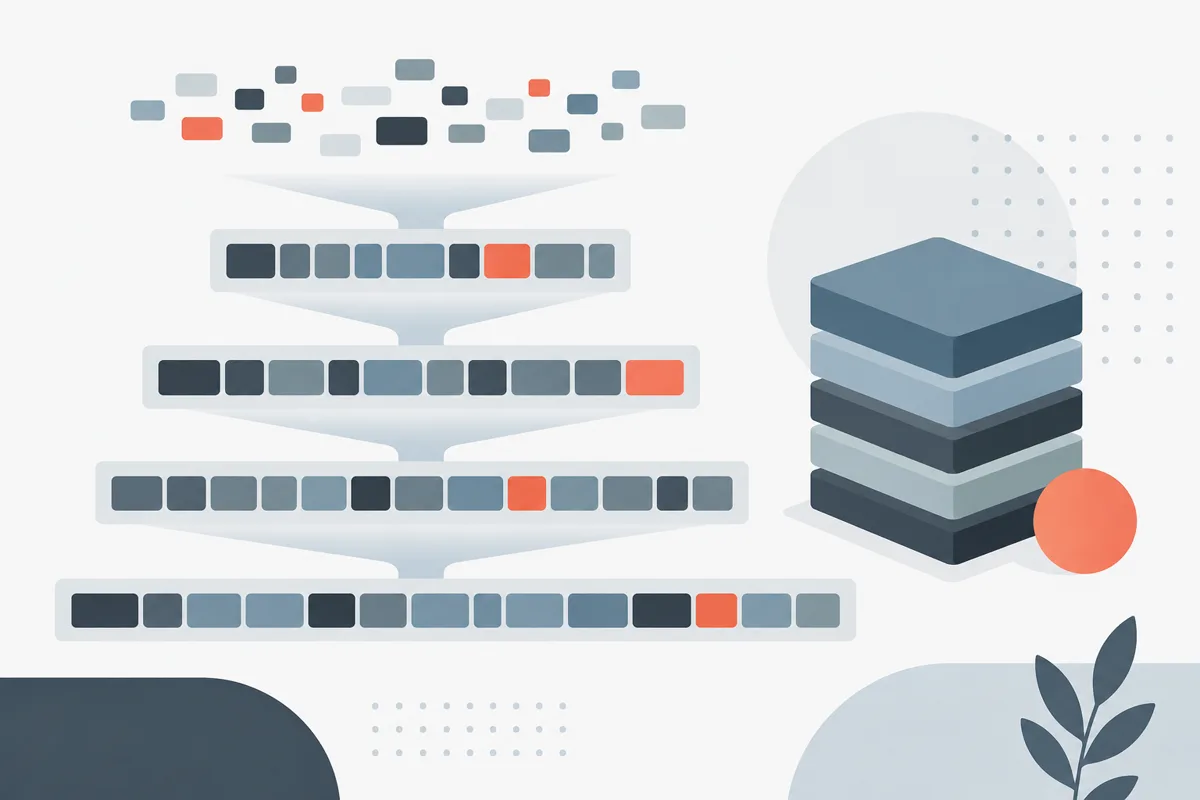
How LSM Tree Leveled Compaction Internals Actually Work
A deep technical guide to LSM tree leveled compaction internals, scoring algorithms, K-way merge iterators, tombstone GC, and amplification tradeoffs.
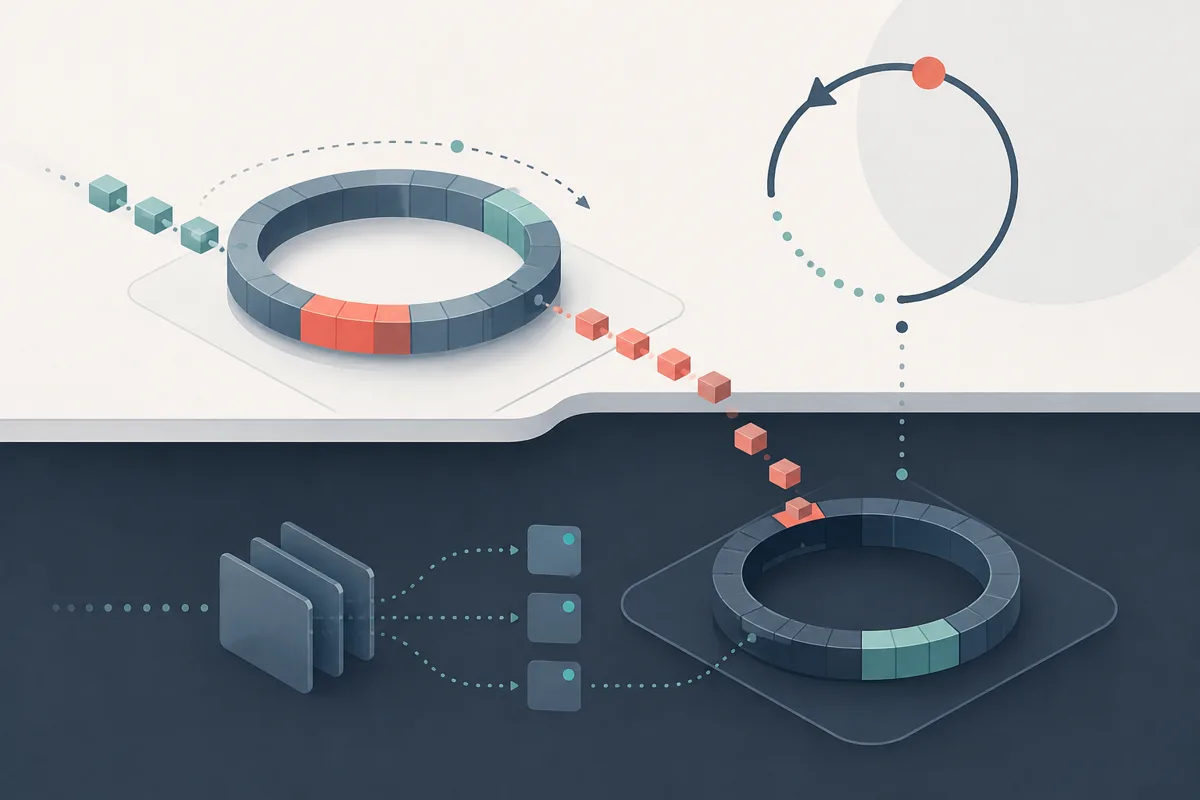
How io_uring Submission Queue Polling Actually Works
Discover how Linux io_uring submission queue polling (SQPOLL) eliminates syscall overhead using in-kernel polling threads, shared rings, and memory barriers.
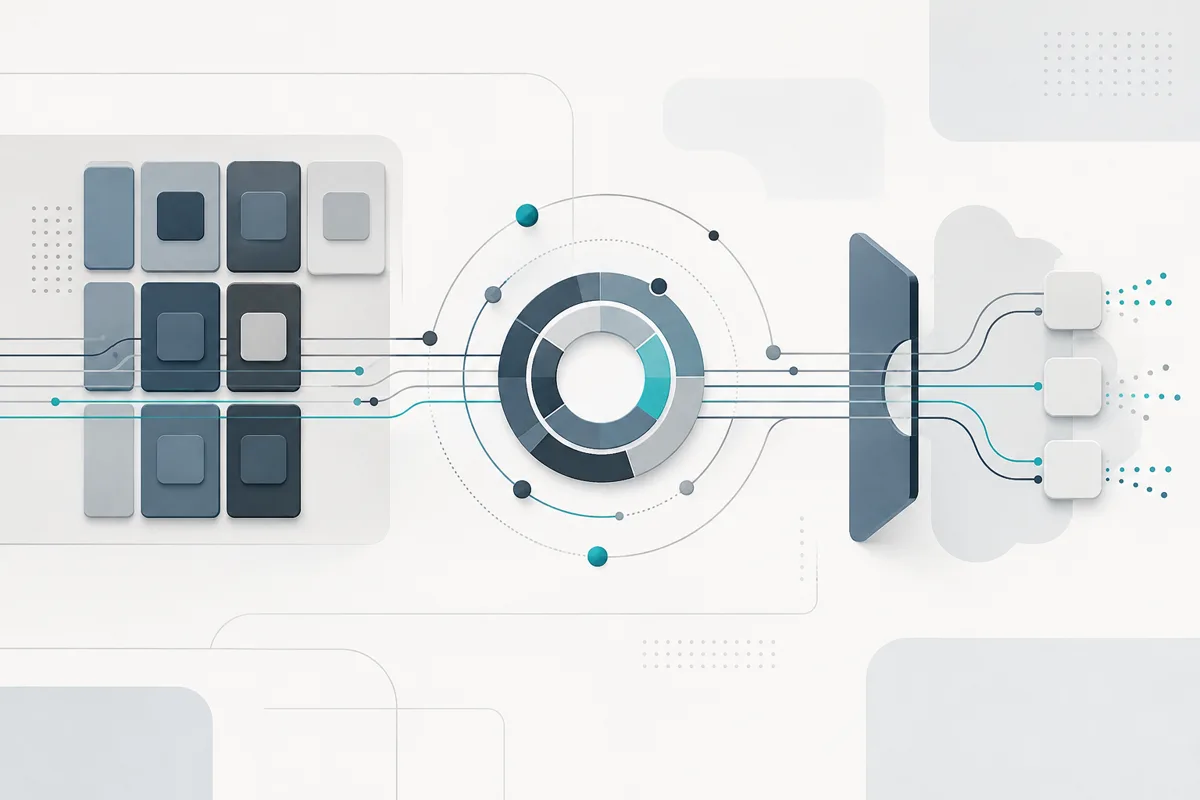
High-Throughput Deterministic Actor Runtimes: Cache-Conscious Architectures, Lock-Free Rings, and Kernel-Bypass I/O
Learn to build deterministic actor runtimes using thread-per-core architecture, lock-free ring buffers, cache line alignment, and io_uring kernel bypass.
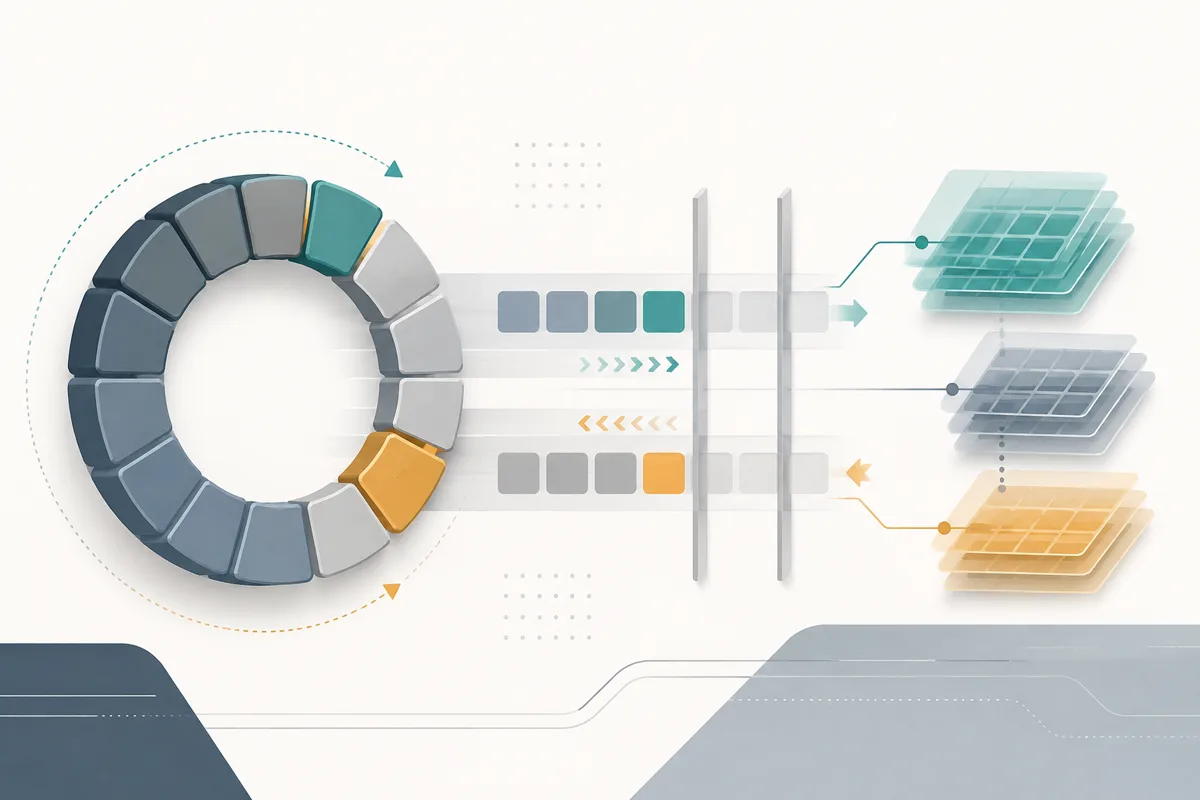
Designing Lock-Free Shared-Memory Ring Buffers: Cache-Coherence, Memory Barriers, and Kernel-Bypass IPC
Learn how to design lock-free shared-memory ring buffers using acquire-release semantics, cache-line padding, MESI protocols, and mmap kernel-bypass IPC.